
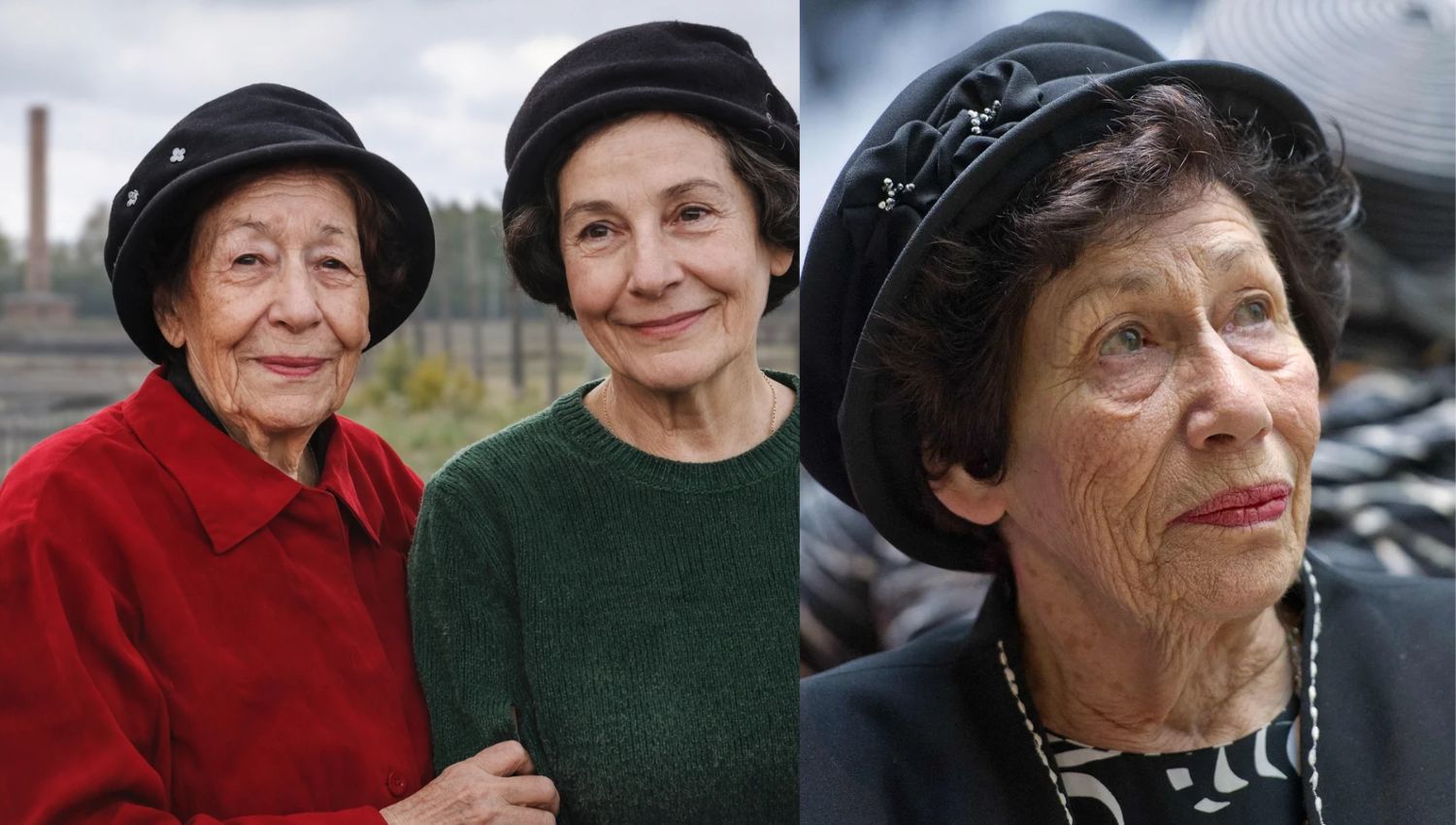
Many people searching the internet ask the question: “Is Gabi Goslar still alive?” The answer depends on which member of the Goslar family is being referenced. In most cases, people are referring to Hannah “Hanneli” Pick-Goslar, the childhood friend of Anne Frank who became one of the most important living witnesses to Anne’s life during and after World War II.
Hannah Pick-Goslar was not alive as of 2022. She passed away on October 28, 2022, at the age of 93 in Jerusalem, Israel. Her remarkable life journey—from escaping Nazi persecution to preserving Anne Frank’s memory—continues to inspire people worldwide.
This detailed biography explores her life, family background, wartime experiences, relationship with Anne Frank, survival of the Holocaust, and enduring legacy.
Who Was Hannah “Hanneli” Goslar?
When asking “is Gabi Goslar still alive,” many searchers are actually looking for information about Hannah Goslar, often called Hanneli. She was born into a Jewish family in Berlin during a period of increasing political instability in Germany. Her family later fled Nazi persecution and settled in Amsterdam, where she met Anne Frank. The two girls developed a close friendship that would become historically significant decades later.
Unlike Anne Frank, whose life ended tragically in the Holocaust, Hannah survived and became one of the last direct witnesses capable of sharing personal memories about Anne. Through interviews, lectures, documentaries, and books, she helped preserve an authentic picture of Anne Frank beyond the famous diary.
Is Gabi Goslar Still Alive?
The direct answer to the question “is Gabi Goslar still alive” is no, if the reference is to Hannah Pick-Goslar.
She died on October 28, 2022, in Jerusalem, Israel, at the age of 93. News of her death was reported internationally because she was one of the last surviving childhood friends of Anne Frank. Historians, Holocaust museums, and educational institutions around the world honored her contributions to Holocaust remembrance.
Her passing marked the end of an important chapter in living Holocaust testimony, but her stories remain preserved through recordings, interviews, and educational archives.
Early Life in Berlin
Hannah Goslar was born on November 12, 1928, in Berlin, Germany. Her father, Hans Goslar, was a respected government official and public servant. The family lived a comfortable life before the rise of Adolf Hitler and the Nazi regime.
As anti-Jewish laws intensified during the 1930s, Jewish families faced increasing restrictions and discrimination. The Goslar family quickly recognized the growing danger. Like many Jewish families seeking safety, they looked for opportunities to leave Germany before conditions worsened further.
These early experiences shaped Hannah’s understanding of identity, resilience, and survival, themes that would define much of her later life.
The Goslar Family’s Escape from Nazi Germany
The Goslar family managed to leave Germany and relocate to Amsterdam, Netherlands, before the outbreak of World War II. This move initially offered safety and stability compared with the increasingly hostile environment in Nazi Germany.
Amsterdam became home to many Jewish refugees escaping persecution. Although life improved temporarily, the German occupation of the Netherlands in 1940 dramatically changed the situation.
The family once again found themselves living under anti-Jewish regulations. Nevertheless, their decision to leave Germany likely saved them from facing even harsher persecution during the early years of Nazi rule.
Meeting Anne Frank in Amsterdam
One of the most significant moments in Hannah’s life was meeting Anne Frank in Amsterdam. The two girls attended school together and quickly formed a strong friendship.
They shared everyday experiences common among children—school activities, conversations, games, and social gatherings. Hannah later described Anne as energetic, intelligent, outspoken, and full of curiosity.
Their friendship developed naturally and became one of the most documented childhood relationships connected to Holocaust history. Because Hannah survived, she later provided valuable insights into Anne’s personality that cannot be found in the diary alone.

Biography Table: Hannah “Hanneli” Pick-Goslar
| Detail | Information |
| Full Name | Hannah Elisabeth “Hanneli” Pick-Goslar |
| Commonly Searched As | Gabi Goslar |
| Date of Birth | November 12, 1928 |
| Place of Birth | Berlin, Germany |
| Date of Death | October 28, 2022 |
| Age at Death | 93 years old |
| Nationality | German-born, later Israeli |
| Known For | Childhood friend of Anne Frank |
| Religion | Jewish |
| Spouse | Walter Pick |
| Children | Three |
| Residence Later in Life | Jerusalem, Israel |
| Historical Significance | Holocaust survivor and witness to Anne Frank’s life |
A Friendship That Became Part of History
The friendship between Hannah Goslar and Anne Frank gained historical significance because of what happened during World War II. Before the Nazi occupation intensified, the girls enjoyed a relatively normal childhood.
Hannah remembered Anne as someone who loved attention, enjoyed social interactions, and possessed a vivid imagination. Their friendship reflected the ordinary lives many Jewish children led before war and persecution disrupted everything.
Decades later, Hannah’s recollections helped historians and readers better understand Anne Frank as a real person rather than solely a historical symbol.
Life Under Nazi Occupation
After Germany occupied the Netherlands, Jewish residents faced increasing restrictions. Jewish children were forced into separate schools, movement became limited, and basic freedoms disappeared.
For Hannah and her family, daily life grew more dangerous each year. The occupation introduced fear, uncertainty, and constant concern about the future.
These changes affected every aspect of family life. The social world Hannah once shared with Anne gradually disappeared as Nazi policies isolated Jewish communities throughout the country.
The Disappearance of the Frank Family
In July 1942, Anne Frank and her family went into hiding in the Secret Annex. To outsiders, including Hannah, their sudden disappearance was mysterious.
At the time, Hannah believed the Frank family might have escaped or relocated. Like many friends and neighbors, she had no knowledge of the secret hiding place.
Years later, Anne Frank’s diary revealed what truly happened during those hidden years. Hannah would eventually learn the heartbreaking reality behind her friend’s disappearance and subsequent arrest.
The Arrest of Hannah Goslar
In 1943, Hannah and her family were arrested by Nazi authorities. Their lives changed dramatically overnight.
Following their arrest, they were transported through the Nazi camp system. The process involved separation, uncertainty, and harsh conditions faced by countless Jewish families during the Holocaust.
Despite these circumstances, Hannah demonstrated extraordinary resilience. Her determination to survive became a defining characteristic that would later inspire generations of readers and students.
Imprisonment in Bergen-Belsen
Hannah eventually arrived at Bergen-Belsen concentration camp, one of the most notorious camps operated by Nazi Germany.
Conditions were extremely difficult. Food shortages, disease, overcrowding, and poor sanitation created constant suffering for prisoners. Survival often depended on physical endurance, luck, and support from others.
While imprisoned there, Hannah experienced one of the most significant moments of her life—a brief reunion with Anne Frank under tragic circumstances.

Hannah’s Final Encounter with Anne Frank
One of the most documented episodes in Holocaust history involves Hannah’s meeting with Anne Frank inside Bergen-Belsen.
The girls were separated by a fence because they were held in different sections of the camp. During these brief encounters, Hannah learned that Anne and her family had been arrested after their years in hiding.
Hannah later recalled attempting to help Anne by throwing food packages over the barrier. These moments became deeply emotional memories and remain among the last known interactions Anne Frank had with someone from her childhood.
The Death of Anne Frank
Anne Frank died in Bergen-Belsen in early 1945, likely from illness during a typhus outbreak. Her sister Margot Frank also died around the same time.
Hannah survived the war and later became one of the most important witnesses able to describe Anne’s final months. Her testimony helped historians understand the circumstances surrounding Anne’s death.
Because Anne’s diary became one of the world’s most influential books, Hannah’s firsthand accounts gained considerable historical value.
Surviving the Holocaust
The end of World War II brought liberation, but survival did not erase trauma. Hannah emerged from the Holocaust having lost loved ones and witnessed immense suffering.
Like many survivors, she faced the challenge of rebuilding her life from almost nothing. Recovery required emotional strength, adaptation, and a commitment to moving forward despite devastating experiences.
Her survival story stands as a testament to human resilience and remains an important part of Holocaust education worldwide.
Moving to Israel and Building a New Life
After the war, Hannah eventually settled in Israel, where she built a new future. She married Walter Pick, and together they raised a family.
Life in Israel provided stability and opportunities that had been impossible during the war years. Hannah focused on family, education, and community involvement.
Although she carried memories of the Holocaust throughout her life, she also embraced hope and renewal, demonstrating that survival could lead to meaningful rebuilding and personal growth.
Family, Marriage, and Personal Life
Beyond her historical significance, Hannah lived a rich personal life. She became a wife, mother, and grandmother while contributing to her community.
Friends and family often described her as compassionate, thoughtful, and dedicated to preserving historical truth. She balanced private family life with public educational work.
Her personal journey illustrates that Holocaust survivors were not defined solely by tragedy. They were individuals who continued creating families, careers, and meaningful lives after unimaginable hardship.
Why People Search “Is Gabi Goslar Still Alive?”
The question “is Gabi Goslar still alive” continues to appear frequently because of renewed interest in Anne Frank, Holocaust documentaries, educational programs, and historical films.
Many people encounter Hannah’s name while studying Anne Frank and become curious about what happened to her friend after the war.

The widespread interest reflects Hannah’s unique role as both a survivor and a direct connection to one of history’s most recognized figures.
Hannah Goslar’s Role in Holocaust Education
Throughout her later years, Hannah participated in educational projects, interviews, museum programs, and documentaries. Her firsthand testimony provided valuable historical evidence.
Unlike written records alone, survivor accounts offer personal perspectives that help younger generations understand historical events more deeply. Hannah emphasized the importance of remembering the Holocaust accurately and responsibly.
Her contributions continue to support educational institutions committed to combating antisemitism, discrimination, and historical misinformation.
Books, Interviews, and Documentaries
Hannah’s life has been featured in numerous publications, documentaries, and historical projects. Journalists, researchers, and filmmakers sought her insights because of her unique experiences.
Her interviews frequently focused on her friendship with Anne Frank, wartime survival, and the importance of remembrance. These records remain valuable resources for historians and educators.
Many of these materials are preserved in museums and archives, ensuring future generations can continue learning from her experiences.
Historical Legacy and Global Recognition
Hannah Pick-Goslar became internationally recognized as one of the last people able to share personal memories of Anne Frank. Her testimony added depth and humanity to one of the most studied stories of the twentieth century.
Historians value her recollections because they provide context beyond Anne’s diary. Through Hannah, the world gained additional understanding of Anne’s character, family relationships, and final months.
Her legacy extends far beyond friendship; she became an important guardian of historical memory.
The Final Years of Hannah Pick-Goslar
In her final years, Hannah remained active in educational and commemorative efforts. Even as she grew older, she continued sharing her experiences with students, historians, and media organizations.
Her dedication reflected a lifelong commitment to preserving truth. She understood that firsthand witnesses were becoming increasingly rare and that future generations would depend on recorded testimony.
Her passing in 2022 was mourned globally, but her voice continues through the many interviews and educational resources she left behind.
Conclusion
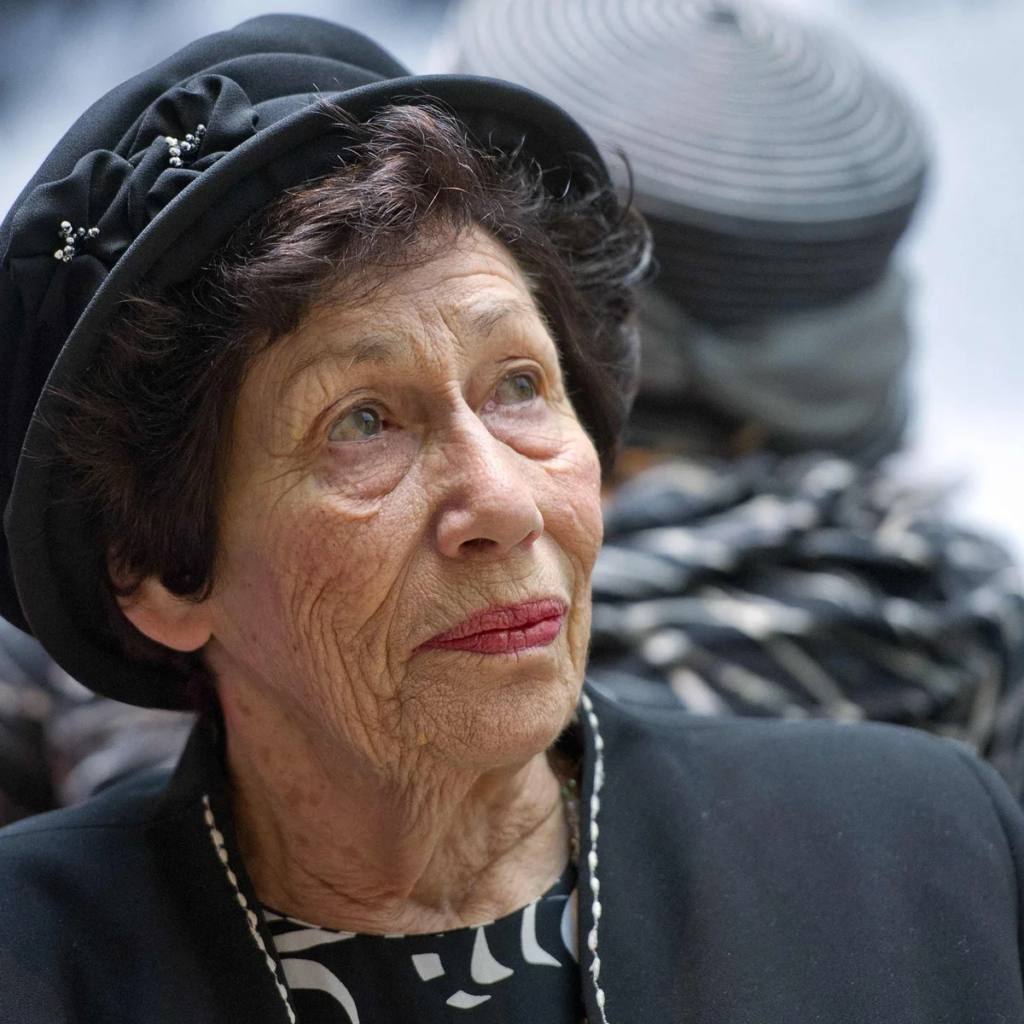
So, is Gabi Goslar still alive? If the reference is to Hannah “Hanneli” Pick-Goslar, the answer is no. She passed away on October 28, 2022, at the age of 93 in Jerusalem.
However, her influence remains very much alive. As Anne Frank’s childhood friend, a Holocaust survivor, and an important historical witness, Hannah Goslar played a crucial role in preserving one of the most significant stories of the twentieth century. Her life journey—from Berlin to Amsterdam, from concentration camps to Israel—demonstrates extraordinary resilience, courage, and commitment to historical remembrance.
Through her testimony, future generations can continue learning about the dangers of hatred and the importance of protecting human dignity.
Frequently Asked Questions (FAQs)
1. Is Gabi Goslar still alive?
No. Hannah “Hanneli” Pick-Goslar, commonly associated with this search query, died on October 28, 2022, at age 93.
2. Who was Hannah Goslar?
She was a Holocaust survivor, Anne Frank’s childhood friend, educator, and historical witness.
3. How did Hannah Goslar know Anne Frank?
They met as children in Amsterdam, attended school together, and became close friends before World War II disrupted their lives.
4. Did Hannah Goslar meet Anne Frank during the war?
Yes. They briefly reunited in Bergen-Belsen concentration camp, where Hannah helped Anne by attempting to provide food packages.
5. Where did Hannah Goslar live after World War II?
She eventually settled in Israel, where she married, raised a family, and participated in Holocaust education.
6. When was Hannah Goslar born?
She was born on November 12, 1928, in Berlin, Germany.
7. Why is Hannah Goslar historically important?
She was one of the last surviving people who personally knew Anne Frank, providing invaluable firsthand testimony about Anne’s life and final months.