
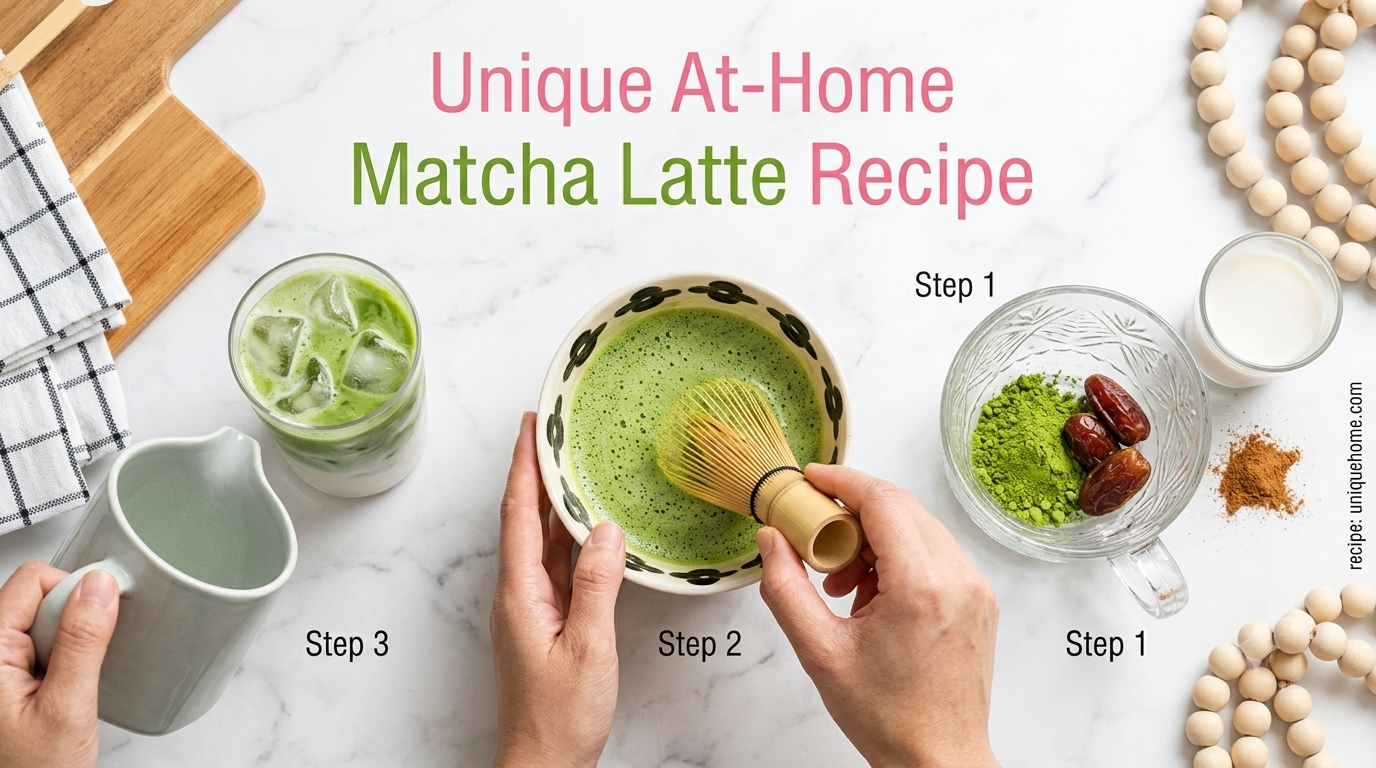
Do you love the cozy, creamy taste of a matcha latte? You do not need to visit a coffee shop anymore. This matcha latte recipe at home is simple, quick, and fun to make. It only takes a few minutes and a few basic tools. Whether you like it hot or iced, this guide will show you every step. You will also learn about matcha’s amazing history, its health perks, and small tricks that make a big difference. By the end, you will feel like a real matcha expert in your own kitchen.
What Is A Matcha Latte?
A matcha latte is a warm or cold drink made from matcha green tea powder and milk. Matcha is a fine, bright green powder made from ground tea leaves. Unlike regular tea, you drink the whole leaf, not just the water it soaks in. This gives matcha a rich, earthy flavor and a smooth, creamy texture when mixed with milk. A good matcha latte recipe at home balances the slightly bitter tea taste with the sweetness of milk. It feels fancy, but it is actually very easy to make once you know the steps.
Why Learn A Matcha Latte Recipe At Home?
Making your own matcha latte recipe at home saves money and time. A coffee shop matcha latte can cost five dollars or more. At home, one cup costs just a small fraction of that price. You also control the sweetness, the milk type, and the matcha quality. This means a healthier drink with no strange additives. Many people also enjoy the calm, focused feeling matcha gives them. It has a gentle boost of energy without the jittery crash coffee sometimes causes. Once you learn this simple skill, you will never need to leave home for your matcha fix again.
The History Behind Matcha (A Short Biography Table)
Matcha has a long and interesting story. It did not appear overnight. Understanding where it comes from makes drinking it even more special. Here is a quick biography table of matcha’s journey through time.
| Time Period | Event In Matcha’s Story |
|---|---|
| 9th Century | Tea is first brought to Japan from China by monks |
| 12th Century | A monk named Eisai brings powdered green tea seeds to Japan |
| 1200s–1500s | Matcha becomes central to Japanese tea ceremonies |
| 1500s | Tea master Sen no Rikyu shapes the formal tea ceremony |
| 1900s | Matcha spreads slowly outside Japan |
| 2010s–Today | Matcha lattes become a global coffee shop favorite |
This history shows why matcha feels so special. It carries centuries of tradition into your cup every time you make it.
What You Need Before You Start
Before you begin your matcha latte recipe at home, gather your tools and ingredients. You do not need anything fancy. A few simple items are enough to get great results. Having everything ready before you start makes the process smooth and stress-free. This is one of the biggest tips real matcha lovers will tell you. Rushing around mid-recipe often leads to clumpy matcha or spilled milk. So take two minutes to set up your space first. It makes the whole process more relaxing and enjoyable, just like a mini tea ceremony in your own kitchen.
Ingredients And Tools Table
| Item | Purpose | Notes |
|---|---|---|
| Matcha green tea powder | Main flavor base | Use ceremonial grade matcha for best taste |
| Hot water (not boiling) | Dissolves the matcha | About 175°F or 80°C works best |
| Milk (dairy or plant-based) | Adds creaminess | Oat milk matcha latte is a popular choice |
| Sweetener (optional) | Adds sweetness | Honey, sugar, or maple syrup |
| Matcha whisk or small whisk | Mixes matcha smoothly | A fork can work in a pinch |
| Small bowl | Mixing space | Wide bowl works better than a mug |
| Milk frother or jar | Creates foam | Optional but adds a cafe-style touch |
Choosing The Best Matcha Powder
Not all matcha powder is the same. This step matters a lot for your matcha latte recipe at home. Ceremonial grade matcha is smooth, bright green, and slightly sweet. It works best for lattes because it tastes gentle, not harsh. Culinary grade matcha is stronger and more bitter. It works better in baking or smoothies. When shopping, look for a vivid green color, not dull yellow or brown. Store your matcha in a cool, dark place in a sealed container. Fresh matcha powder makes a huge difference in taste. Old matcha turns dull and loses its light, grassy flavor over time.
Step-By-Step Matcha Latte Recipe At Home
Now for the fun part. This matcha latte recipe at home takes less than five minutes from start to finish. Follow these simple steps, and you will have a smooth, creamy drink every time. Do not skip the whisking step, since it is the secret to a clump-free latte. Take your time here, and enjoy the process. Many people find whisking matcha to be calming, almost like a small daily ritual. Once you master this basic method, you can easily change it up with different milks, sweeteners, and temperatures to match your mood.
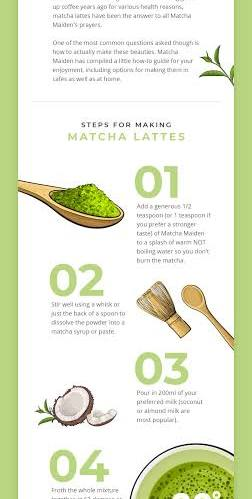
- Add one to two teaspoons of matcha powder into a small bowl.
- Pour in two ounces of hot water, not boiling water.
- Whisk briskly in a “W” or “M” shape until frothy and smooth.
- Warm your milk on the stove or in the microwave.
- Froth the milk using a frother, whisk, or shaken jar.
- Pour the warm milk over your whisked matcha.
- Add sweetener if you like, then stir gently.
- Enjoy your homemade matcha latte right away.
How To Whisk Matcha Without Clumps
Clumpy matcha is the most common problem people face. Luckily, it is easy to fix. The trick is temperature and motion. Water that is too hot will make matcha taste bitter and burnt. Water that is too cold will not dissolve the powder well. Aim for water just below boiling. As for motion, whisk quickly in a zigzag pattern, not in slow circles. This breaks up clumps and creates a light, foamy layer on top. If you still see lumps, try sifting your matcha powder first with a small strainer. This extra step takes only a few seconds but makes a noticeable difference in texture.
Hot Matcha Latte Vs Iced Matcha Latte
Both versions of this matcha latte recipe at home are delicious, but they feel very different. A hot matcha latte is cozy and comforting, perfect for cold mornings. The warmth helps release the tea’s earthy aroma. An iced matcha latte is refreshing and light, great for warm afternoons. To make it, simply whisk your matcha with a small amount of hot water first, then pour it over ice with cold milk. Some people even blend it for a frothy, milkshake-like treat. There is no wrong choice here. Many matcha fans switch between hot and iced depending on the season or their mood that day.
Vegan And Dairy-Free Matcha Latte Options
You do not need dairy milk to enjoy a great matcha latte. Plant-based milks work wonderfully and are very popular today. An oat milk matcha latte is creamy and slightly sweet, making it a fan favorite. Almond milk gives a lighter, nutty flavor. Coconut milk adds a tropical, rich twist. Soy milk froths especially well, so it is great for latte art. Try a few different plant milks to see which one you enjoy most. Each type changes the flavor slightly, so do not be afraid to experiment. This flexibility makes the matcha latte recipe at home perfect for vegan and lactose-free lifestyles too.
Health Benefits Of A Matcha Latte
Matcha is not just tasty, it is also packed with good things for your body. It contains antioxidants called catechins, which help protect your cells. Matcha also has a gentle form of caffeine paired with an amino acid called L-theanine. This combination gives calm, steady energy without a jittery crash. Many people say matcha helps them focus better during work or study. It may also support a healthy metabolism when enjoyed as part of a balanced diet. Compared to sugary coffee drinks, a homemade matcha latte can be a lighter, more nutrient-rich choice for your daily routine.
Matcha Latte Nutrition Profile Table
Here is a simple profile table showing what a basic matcha latte offers nutritionally. This can vary slightly depending on milk type and sweetener used.
| Nutrient | Approximate Amount (1 Cup, Dairy Milk) |
|---|---|
| Calories | 90–120 kcal |
| Caffeine | 30–70 mg |
| Sugar (unsweetened) | 8–10 g (from milk) |
| Protein | 6–8 g |
| Antioxidants | High (catechins, EGCG) |
| Fat | 2–5 g |
Common Mistakes To Avoid
Even simple recipes can go wrong sometimes. Here are a few common mistakes people make with their matcha latte recipe at home. First, using boiling water, which burns the matcha and makes it bitter. Second, using low-quality matcha, which often tastes flat or dusty. Third, skipping the whisking step, which leaves clumps in your drink. Fourth, adding too much sweetener, which hides the natural matcha flavor. Fifth, storing matcha powder in a sunny spot, which fades its color and taste. Avoiding these small mistakes will instantly improve your homemade matcha latte and help it taste just like your favorite cafe version.
Tips To Make Your Matcha Latte Taste Even Better
A few small tricks can take your matcha latte recipe at home to the next level. Try adding a pinch of vanilla extract for warmth. A dash of cinnamon adds a cozy, spiced touch. For sweetness, honey or maple syrup blends more smoothly than white sugar. If you like a stronger tea flavor, add a bit more matcha powder rather than less water. For extra froth, always use cold milk when frothing, since it holds bubbles better. Lastly, drink your matcha latte fresh. It tastes best within the first few minutes, while the foam is light and the flavor is bright.
How To Store Leftover Matcha Powder
Good storage keeps your matcha fresh for future lattes. Keep the powder in an airtight container, away from light and heat. A kitchen cabinet works better than a spot near the stove or window. Some people even store matcha in the fridge for extra freshness, especially in warm climates. Just make sure the container is sealed tightly to avoid moisture. Properly stored matcha can stay fresh for several weeks, sometimes longer. Fresh matcha will always give you a brighter color and smoother taste, so good storage habits truly pay off in every cup you make.
Can You Make A Matcha Latte Without A Whisk?
Yes, you absolutely can. While a bamboo or handheld whisk gives the best texture, other tools work too. A small jar with a lid is a great alternative. Simply add matcha and warm water, seal the jar, and shake vigorously for a few seconds. A regular kitchen fork can also work in a pinch, though it takes more effort. Some people even use a small electric milk frother directly in the bowl. The goal is simply to break up clumps and create a light froth. Do not worry if your first few tries are not perfect. Practice makes it easier every time.
Final Thoughts On Your Matcha Latte Journey
Making a matcha latte recipe at home is a small joy worth learning. It is quick, affordable, and endlessly customizable to your taste. Once you master the basic steps, you can experiment with different milks, sweeteners, and temperatures. You will also feel proud knowing you made a cafe-quality drink yourself. So grab your matcha powder, warm up some milk, and give this recipe a try today. Share it with a friend, save it for tomorrow morning, or leave a comment about your favorite twist on this classic drink. Your perfect cup of matcha is only a few minutes away.
Frequently Asked Questions
1. What is the best matcha powder for a matcha latte recipe at home? Ceremonial grade matcha works best because it tastes smooth and slightly sweet, not bitter.
2. Can I use boiling water for matcha? No, boiling water burns the matcha and creates a bitter taste. Use water just below boiling.
3. Is a matcha latte healthier than coffee? Matcha offers calm, steady energy with antioxidants, while coffee often gives a quicker, sharper boost.
4. What milk works best for an oat milk matcha latte? Barista-style oat milk froths well and adds a naturally creamy, slightly sweet flavor.
5. How much caffeine is in a homemade matcha latte? A typical serving has about 30 to 70 milligrams of caffeine, less than a regular cup of coffee.
6. Can I make an iced matcha latte with this same recipe? Yes, simply whisk the matcha with a little hot water, then pour it over ice with cold milk.
YOU ALSO LIKE TO READ BEST ARTICLE OVER: best mate de coca near me